The Social Media Ban and the War on Attention
Second Level Thinking · Issue 20
Analysing the Australian Government's move to ban social media for under-16s. Plus, why your anxiety is the primary bottleneck for your creativity.
In my home office I have a 27” iMac at a stand-up desk and a MacBook Pro that I use in other rooms of the house, including when I travel. Sometimes this isn’t enough and I use my wife’s iPad, as I find the tablet for media consumption incomparable. My children see me interacting with technology before school, after school, before bed, and on weekends.
Furthermore, this week I picked up my iPhone Pro an average of 50 times per day. There were phone calls, messaging applications, media, music, email, books, podcasts, fitness related apps, but not one of those pick-ups was related to a social media application. My iPhone spends every day on silent, I have the majority of notifications turned off, I only engage with specific social media platforms that support my business through a web browser, and I am very specific about how I remain productive within my technologically advanced ecosystem, that if I allowed it, would be the crux of my existence.
My children are not aware of these permissions or lengths I go to, nor at ages 6 and 8 do they care. The other day my son asked me if we could post a video of him playing soccer to YouTube where he wanted to start his own channel. Weeks earlier, when staring over my shoulder at a draft of this very newsletter, he asked if I was famous, merely at the fact I produce content that is shared publicly.
One could argue each of the devices and applications serve a purpose, but technology is moving faster than many of us can keep up with, whether we choose to admit it or not. It is no surprise then, that our school systems are lagging in educational curriculum to support our children's understanding of social media, and technology more broadly. Our home is no different, although I don’t have a social media problem, I have a technology problem.
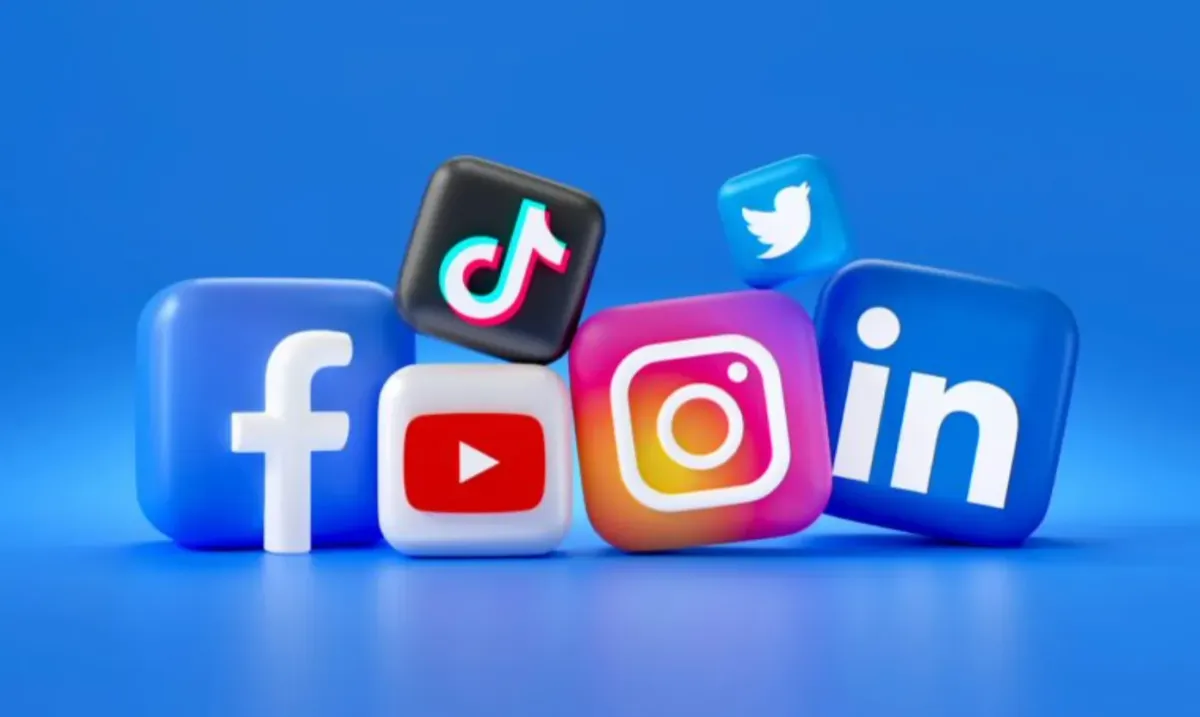
The Federal Government is proposing barring users under the age of 16 from social media, under legislation expected to be introduced to parliament this month. The legislation would force social media firms to take steps to prevent those under 16 years of age from accessing platforms such as X, TikTok, Facebook and Instagram. Failing to do so would mean fines of up to $50 million.
“Australia is among the vanguard of nations trying to clean up social media, and the proposed age limit would be among the world's strictest measures aimed at children,” reported The Australian.
Details of how the social media platforms are meant to enforce such changes are unclear, but it is clear the proposed laws would include robust privacy provisions that require tech platforms to delete any age-verification information collected.
“Social media is doing social harm to our young Australians and I am calling time on it,” stated our Prime Minister, Anthony Albanese. “The safety and mental health of our young people has to be a priority and my government will do all that we can to protect our young Australians, but also to provide support for parents and teachers who are dealing with these issues. I want Australian parents to know that we have your back.” Strangely enough, the Coalition are aligned, as are many others and this proposed strategy could be passed through parliament as quickly as next week!
According to the Australian Institute of Health & Welfare, 94 deaths by suicide occurred among children and adolescents (aged 17 and below) with the majority occurring in those aged 15–17 in 2023, down on the previous 3 years through the peak of covid in Australia. Bullying is a serious issue and teenagers can act in terrible ways. Puberty is such a critical transition for our bodies and mind and we are only recently, with new studies, appreciating the psychological shifts that occur during this time.
Social media can take you into uncharted territory. It can take you into a dark cesspool that leaves you questioning our existence as a human race. Puberty, for many, is bad enough when you simply have to muster the courage to present at school for six hours a day - now compound that problem to a barrage of online hate 24/7, if you allow it. It has given the bullies a megaphone and pushed us to extremes at a time and age where we are at our utmost vulnerable.
But it also gives us reach. It also allows us to find “our people,” and for every victim, there are multitudes that have established friendships, met their life’s partner, or had the ability to seek out and bond over shared beliefs, backgrounds and interests.
It Starts With Us
As parents we are the gatekeepers of our children and I refute strongly that we should outsource decisions regarding the content our children consume to the government. It takes the decision away from the parent and in my eyes, is a slippery slope. My children are yet to engage with social media, but if at some point my wife and I decide to allow engagement, at a level, and on a specific platform that we deem appropriate prior to them turning 16, should we not have that opportunity?
It starts with us as parents and guardians and I feel this is where we can increase our impact outside the school ground. What actions are we cultivating in them as a result of our behaviours:
Is there an opportunity to reduce contact with devices, especially around critical times of day like breakfast and dinner when children are present.
Can we further up-skill ourselves on the popularity of certain apps, how they function and particularly, some of the pitfalls to be mindful of.
Can we educate our children on the positive and negative impacts of such platforms and inform about the associated risks.
Can we sit with them when first engaging with these apps, show interest and ask open ended questions. Seek to understand first.
Can we discuss this with other parents and guardians that fall within our child’s network and either seek commonality or share our positions.
Furthermore, we have the option to set time limits, choose applications more rigorously, establish appropriate permissions, deactivate wifi access overnight… the list goes on.
This is our work. We brought them into this world. Our government’s support of our children is honourable but once again, do we have to be the nanny state. We must educate. We must not ban. And in doing so we will not only generate a more resilient and powerful demographic, we will subsequently protect our right to freedom of speech in the process.
Parting Shot
It'd be impressive if it wasn't so painful. The way we're able to imagine all the terrible things that might happen. The vivid scenarios we concoct in our head. The extensive conversations we practice, the arguments we get into with people we've never met.
Seneca talked about how our imaginations are almost more powerful than reality. Real enough that they may well cause us more suffering than actual life. And he who suffers before it is necessary, he adds, suffers more than necessary.
We all do this. Instead of using our minds to solve problems, we set it to work on problems that don't exist. Instead of using it to move forward, we use it to look backward, poring over what already happened. Instead of using it to feel good, we use it to torture ourselves. How crazy is that? And how counterproductive?
You have been given an incredibly powerful tool, this brain and imagination of yours. But like a gun or a knife, it can just as easily harm the user as it can protect or serve them. We have to train and discipline ourselves, we have to direct these resources properly. We have to channel our creativity not into fear and anxiety, but into purpose and progress.
— Ryan Holiday, The Daily Stoic